

ITEMS NOT TO WASH
IN THE DISHWASHER
A dishwasher is a kitchen helper that will certainly make life easier, especially when hosting celebrations or parties with a large number of guests and a good feast planned. Although this appliance is practical and an excellent household helper, it's important to remember that not everything can be washed in the dishwasher. To help you navigate better, we have prepared a dishwasher guide so that next time you plan to use the appliance, you won't have to rack your brains trying to figure out what can and cannot be put in it.
WOODEN ITEMS
Dishwashers use very hot water, which is not a favorable environment for wooden items as it can destroy the natural components of wood. If washed in a dishwasher, they lose their original shape, can start to split, crack, and fade. It is recommended to wash such items as wooden cutting boards or spoons by hand. However, even then, care must be taken, as prolonged exposure to water can alter the natural shape of the items, similar to washing them in a dishwasher.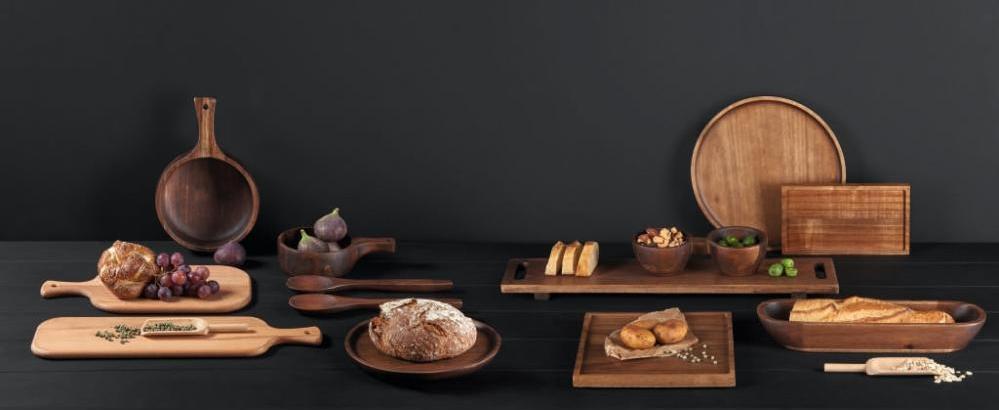
Pans are often said to be one of the most durable and long-lasting kitchen items. This is true, but when exposed to a dishwasher, even the most durable pan will no longer perform its functions. The protective coating of the pan, which prevents food from sticking, will wear off in this way. As a result, the quality of the pan will be damaged, food will start to stick, and it will be difficult to cook. To prevent this from happening, it is recommended to wash pans by hand and take good care of them.

CRYSTAL GLASSES
Crystal is a fragile material, so it is very important to handle it with care. Dishwasher settings for fragile and delicate glasses are too powerful, and a hot environment is not desirable for them. Washing crystal glasses in a dishwasher can cause them to break or lose their shine. In contrast, thicker, "coarser" crystal glasses can be put in the dishwasher, but they may lose their clarity over time as the dishwasher detergent can affect the glass. Therefore, crystal glasses should definitely be washed by hand.

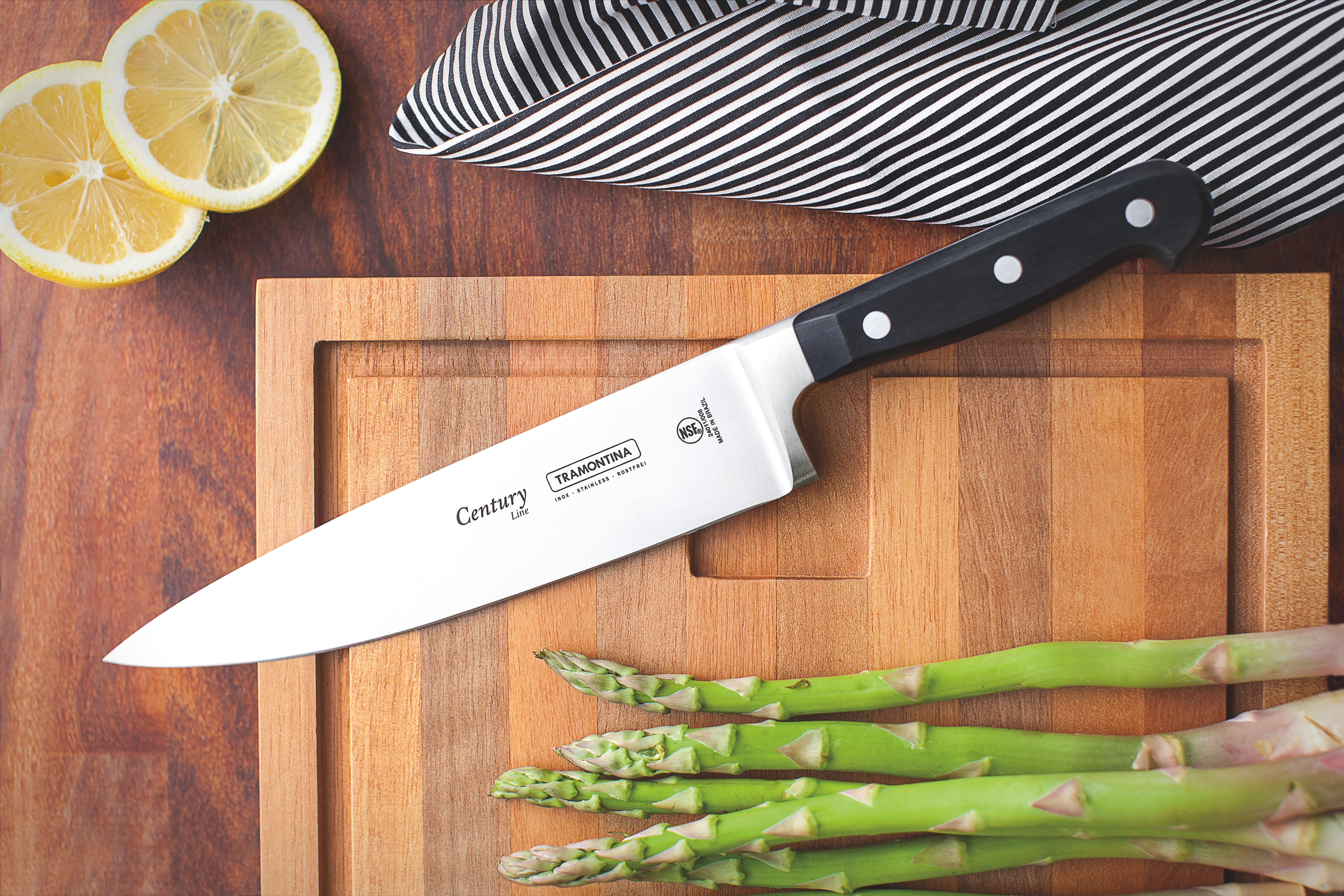
It is not recommended to put knives in the dishwasher, as heat can dull them over time. It should be noted that knives are sharp, and thus one can get injured with them, for example, when taking them out of the dishwasher. Aggressive dishwasher detergents can cause corrosion, so it is best to wash knives by hand, thus extending their lifespan. The main thing is to do it carefully – make sure the knives are placed away from other utensils (to avoid scratching them) and with the blade facing down (to avoid cuts). If you still wash knives in the dishwasher, remove them immediately after the washing cycle, wipe them dry, and store them – this will protect the knife from unnecessary exposure to detergent, which, even after the cycle ends, settles on washed items along with water droplets.
PLASTIC DISHES
Most plastic dishes can be washed in the dishwasher, but it should be noted that thinner plastic dishes may start to melt due to high temperatures. Although this particularly applies to thinner plastic, thicker plastic can also change its shape when reaching high temperatures. Thus, the lifespan of these dishes will also be reduced – it will become shorter.

DISHES WITH GOLD AND SILVER EDGES
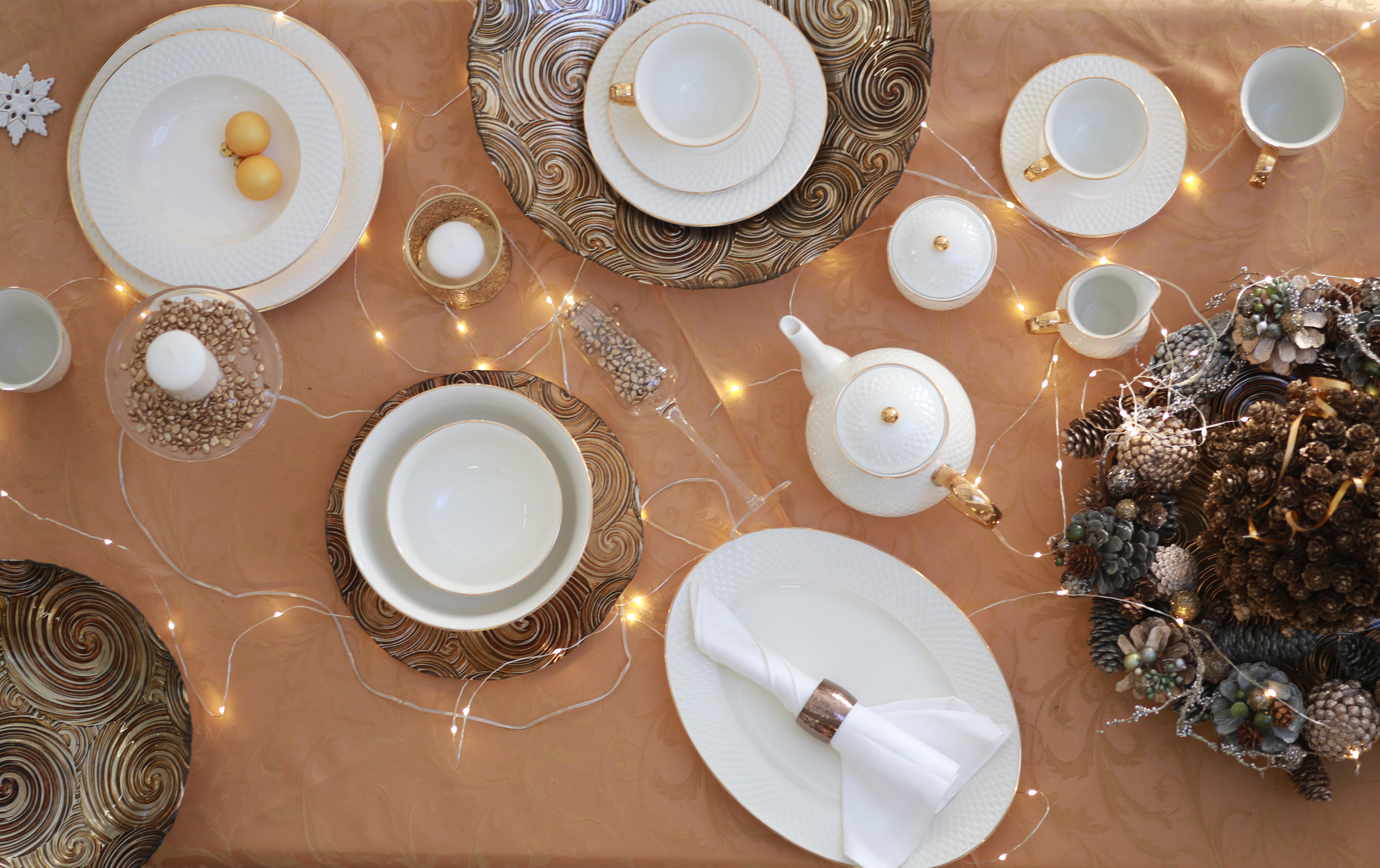
Everyone knows that dishes with gilded edges should not be put in the microwave, but they also cannot be put in the dishwasher. They have metallic parts that should not be heated and can be damaged, resulting in fading. To protect the dishes, it is recommended to wash them by hand.
There are thermoses and travel mugs that can be put in the dishwasher, but most are not recommended to be washed this way. Many thermomugs lose their quality after contact with a dishwasher and cannot perform their intended function – keeping drinks hot or cold. This happens because most thermomugs available on the market have vacuum insulation, which can be broken by very hot water. As a result, your beloved thermomug may leak, and drinks may cool down faster or, conversely, not stay cold enough. Since thermomugs/thermoses are made of different materials and their thermal insulation methods also vary (glass flask, foam, double-walled), the rules about whether they can be put in the dishwasher or not will also differ. The best way to tell if a thermomug can be put in the dishwasher is to examine the product you bought – usually, this information is mentioned on the packaging or in the instructions – verbally or by including the dishwasher-safe logo. If your thermomug or thermos is personalized with a logo, always wash it by hand – this way, the logo won't wash off, and the mug will look new for longer.
 Next time you plan to use the dishwasher, remember that it is primarily intended for simple dishes and items. Keeping this in mind will make it easier to understand this excellent kitchen helper. For example, you wouldn't wash a fur coat in a washing machine, would you? It's the same with dishes – we treat exclusive items with special care.


