

Coffee is one of the most popular drinks in the world, loved by many. However, many people don't know that coffee can also be prepared cold, offering a completely different taste experience. Today, we will explore the world of cold coffee. Ancis Romanovskis, head of Rocket Bean Roastery and coffee enthusiast, will help us with this.
How did the cold coffee concept originate?
The coffee industry is ancient. There are various legends, stories, and facts about how people started drinking coffee. We all know that coffee originated in Ethiopia. It is believed that cold coffee historically originated by accident. Perhaps, by leaving hot coffee on the table, it cooled down, and after tasting it, people realized: "Hmm, it tastes ok, why not drink it cold too!". I think that by experimenting and testing in the coffee industry, many types of cold coffee were created. Moreover, each country often has its own versions. Still, the most popular way to prepare cold coffee is "Ice Latte," which is based on espresso, milk, and ice (sometimes adding various flavored syrups, etc. to improve taste and sweeten it). Nowadays, brewed coffees, prepared using the pour-over method where coffee slowly drips over ice during brewing, are becoming increasingly popular. This cools the coffee without diluting it, which usually happens when ice is added to a hot drink.
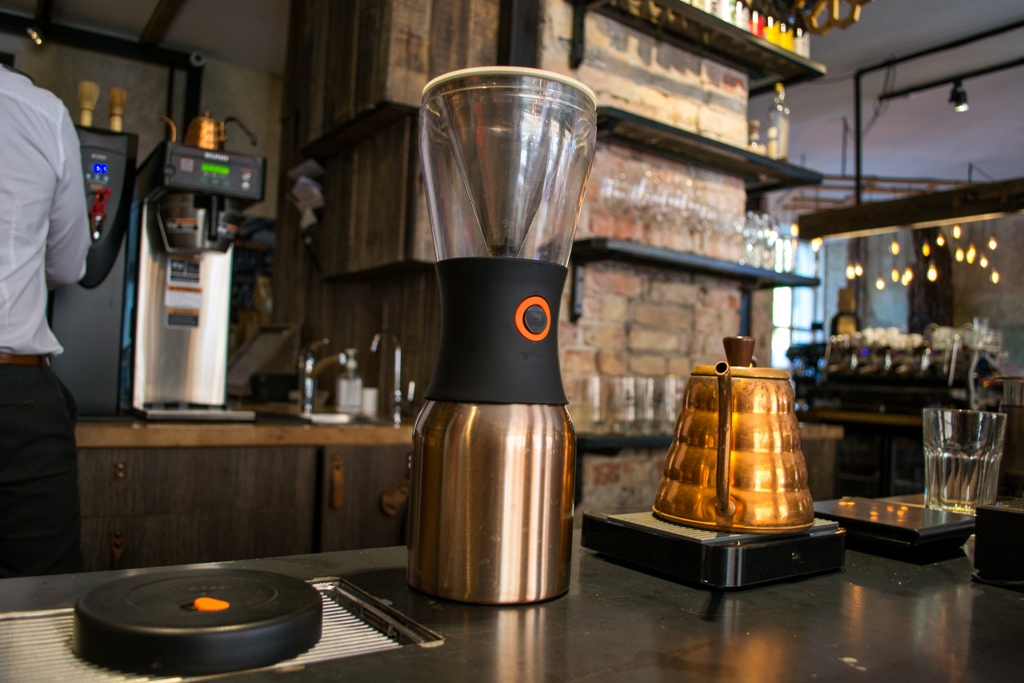
Innovations in the industry primarily arise due to technological advancements and coffee enthusiasts' continuous desire to experiment. Thanks to this market trend, more and more new coffee preparation "gadgets" are appearing! Speaking of the Asobu Cold Brew device, its advantage lies in its successful design and engineering solutions, which allow for the preparation of quality coffee with minimal additional equipment. With Asobu, no step is complicated. You just need to pour your favorite coffee (preferably freshly roasted from high-quality coffee beans and freshly ground) into the metal mesh, patiently pour filtered water over the coffee grounds, and leave it for a certain period. The Asobu Cold Brew device appeared at our store because we only sell products we truly believe in. From basic, home-use devices, it can prepare exceptionally delicious cold coffee.


You interact with coffee a lot every day, and you certainly have a different perspective than people for whom coffee is simply an energy-boosting drink. How do people who are not experts in this field perceive the concept of cold coffee? Are they scared of it, or eager to try it?
Statistically, cold coffee lovers are younger people. This indicates that they are more open-minded, more willing to experiment. The older generation tends to stick more to classic values. This is not necessarily a bad thing – quite the opposite, classics are and always will be, but their quality can certainly be elevated to new heights. Undeniably, this is not a clear-cut statement, because, as we know, everyone can appreciate quality, and every day we introduce someone to a new world of coffee!
It is known that the concept of cold coffee is more familiar in southern countries. For example, Freddo Cappuccino is popular in Greece. What about the prevalence of cold coffee in Latvia, given that our weather conditions are different from those in southern countries?
Weather conditions are definitely one of the determining factors in choosing cold coffee! That's precisely why nothing has "taken off" in Latvia so far, because the weather conditions are what they are. Summer arrives, and lo and behold – variations of cold coffee start appearing in Latvian cafes. However, it is also a "trend" thing. It's only a matter of time until the selection of cold coffees in Latvian cafes becomes much more interesting and is not limited to just "Ice Latte."
What are the differences between hot and cold coffee?
First and foremost – what kind of coffee we choose. The coffee itself (country of origin, growing region, and coffee variety), its various quality levels, and roasting methods will directly reflect in the final result, which is also further influenced by the coffee preparation method! There will always be a taste difference that we will perceive. I recommend using only Specialty coffees for preparing cold coffee for maximum taste enjoyment.
Cold coffee brewing methods often require a long preparation time (i.e., the coffee's contact time with water), during which the water "extracts" water-soluble substances (flavor and aroma complex) from the ground coffee beans. When water reacts with coffee for a prolonged period, the final coffee drink is created with its characteristic flavor balance and intensity. Due to the long-term effect of water, cold coffee contains more caffeine and has a lower acidity level. In contrast, hot-prepared coffee is obtained in a relatively very short period. By adding milk or ice, we reduce the amount of caffeine. It is important to remember the importance of the coffee "quadrant" on the result - the coffee-to-water ratio, the size of the ground beans, the contact time, and the water temperature.


When using the Asobu Cold Brew device to prepare cold coffee, the finer the coffee grounds, the more intense the flavor we will obtain over a longer period. The result of coffee prepared with Asobu Cold Brew will also depend on the water we use. I recommend experimenting with filtered or bottled drinking water, as well as varying the brewing times. Remember that you can travel the world through coffee flavors, savoring the distinct nuances offered by each coffee-growing country! At our Rocket Bean roastery, everyone can definitely find their favorite type of coffee.
When talking about the Asobu Cold Brew coffee maker, many are confused by the long preparation time - up to 24 hours. Why is it important to follow this?
The optimal recommended time is from 7 hours up to 24 hours. This largely depends on the coffee grind and your desired result. The good news is that with Asobu Cold Brew, you don't have to be next to the device for the entire 24 hours.
What would be your advice to someone who believes that coffee should be hot, but has decided to try cold coffee?
Here it's quite simple - if a person likes hot soup, it will be hard to convince them to eat cold soup. These are two different products, even though we call both of them soups! We often rely on our feelings, choosing what we crave at a given moment. Cold coffee lovers should feel similarly. Another important factor - if you choose Specialty quality coffee for your cold coffee, it will be easier to enjoy, because Specialty coffees are fruitier, which makes them easier to drink without additional sweetening. Cold-brewed coffees stand out with their sweetness, creaminess, and balanced acidity or fruitiness. It should also be remembered that when drinking Specialty coffee, especially ORGANIC, you will consume many antioxidants in both cold and hot coffee. We know that antioxidants are one of the secrets of beauty.
If we want to be beautiful, we must drink good coffee!
.jpg)


